Physical Address
304 North Cardinal St.
Dorchester Center, MA 02124
Physical Address
304 North Cardinal St.
Dorchester Center, MA 02124

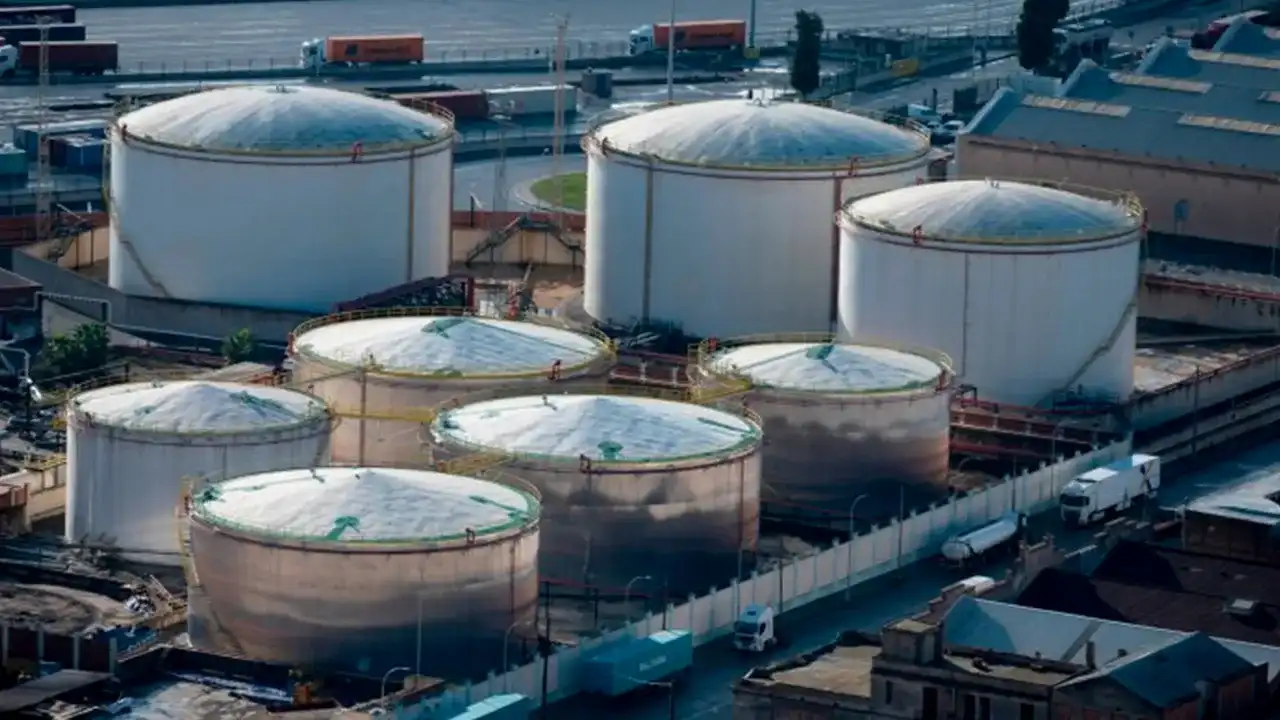
Eurozone recession fears escalate as more German factories shut down July 18, 2025. Eurozone concerns that recession is on the way have deepened with another wave of German factories announcing closures and cutbacks.
The industrial heartland of Europe is struggling with a combination of stubbornly high energy costs, a global slump in demand and the growing effect of international trade tensions that are threatening to darken the outlook for the bloc’s economy.
And Germany, long the powerhouse of Europe’s economy and highly dependent on manufacturing and exports, is leading the way in this industrial slowdown. Recent data, such as the PMIs, which have remained below the 50-point mark separating expansion from contraction, are indicative of continued deterioration in activity levels.
The last of the July PMI reports will be published early next month, but anecdotal evidence from the field is bleak, with reports of falling new orders and lower capacity use.
These will play to a visible de-industrialisation, with more and more German companies either going bankrupt or simply moving abroad with their production.
To be sure, German weakness inevitably radiates across the entire Eurozone. Germany’s industrial malaise is a threat to the entire bloc; its manufacturing output and demand for intermediate goods spill over directly into supply chains and economic activity in surrounding countries.
Although the European Central Bank (ECB) has started cutting rates, rate cuts have limited effectiveness in stimulating an economy grappling with domestic structural and external headwinds. The Eurozone is already expected to turn in only modest economic growth in 2025 (in the range of 1.1%-1.3%), and the deepening German industrial contraction may press the entire region to or even into a technical recession.
Analysts are also becoming increasingly jittery about “stagflation” — stunted growth and chronic inflation. The current trade tensions and the disruptions to the global supply chain could keep prices high, even as economic activity slows, leaving policymakers with a stubborn problem.
As Eurozone ministers of finance and central bankers follow the situation, the rapidly souring industrial outlook in Germany offers a flashing red warning light about the economic security of the region as a whole.