Physical Address
304 North Cardinal St.
Dorchester Center, MA 02124
Physical Address
304 North Cardinal St.
Dorchester Center, MA 02124

In the current business environment, where compliance and global operations are crossing paths, tax management makes all the difference in sustainable growth. Businesses are facing growing pressure to walk a line between regulatory commitments and savvy financial planning.
Meanwhile, a lot of companies need specialized advice to deal with these issues—so tax consulting is an important tool in this area. Which brings me to an important topic: Best Practices for Building a Successful Corporate Tax Advisory & Strategy Practice.
Building a solid tax practice and good services for businesses is beyond just preparing returns. It requires knowledge of corporate organization, legal systems, accounting practices, international tax treaties, and forward-thinking strategies around the long-term objectives.
An effective tax advisory strategy not only improves efficiency and reduces costs; it also results in compliance, allowing businesses to look towards the global market.
Corporate tax advisory is the essential arm that connects compliance and planning. The tax is not a requirement only; however, it is also a business fee that, when one keeps in check, can improve the profitability.
Companies that employ corporate tax advisory are better prepared for complicated legislation, audit risks, and a constantly changing tax environment.
There are a number of reasons businesses want to source tax advisory:
The work of a tax consultant ranges from consultation to implementation, and delivery of consultancy service leads to tangible financial results.
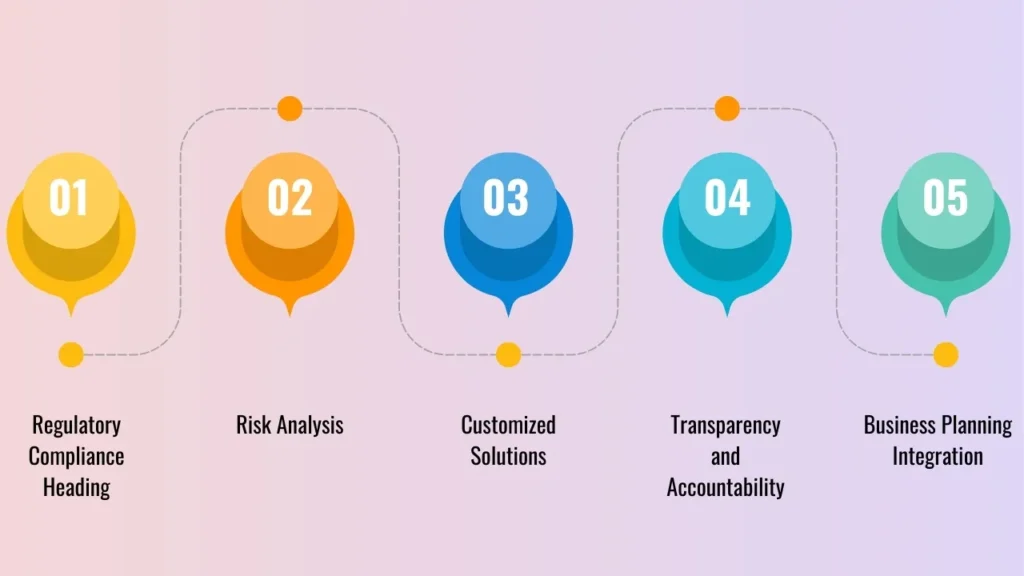
There are a few guiding principles that businesses need to bear in mind when designing corporate tax advisory solutions. These principles ensure the services provided are coherent, ethical, and value-based.
Robust foundations are the key to building effective tax advisory services, for both consultancies and in-house teams. This guarantees that any advice being offered is going to be precise, viable, and suited to your overall strategy.
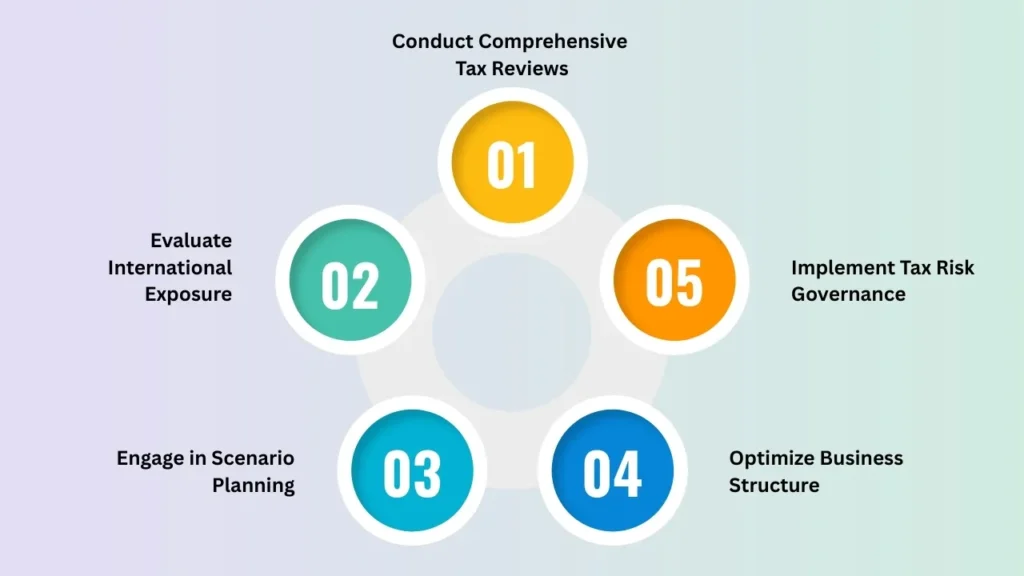
Moving beyond compliance and towards long-term sustainability is necessary for achieving effective strategies. Some of the fundamental procedures in developing strategies under Corporate Tax Advisory include:
Routine audits can help uncover inefficiencies, compliance gaps and other risks in company operations.
Transfer pricing, withholding tax, and double taxation treaties are key design considerations for corporations with a cross-border footprint.
In addition, knowing what legislative and economic changes may be on the horizon builds resiliency into a tax strategy.
The tax-efficient structuring of entities and products, whilst ensuring compliance, is an important element of tax advisory.
Establishing good governance that allows board directors and auditors to monitor tax practices increases investor confidence and protects against reputational damage.
Tax advice is not without its complications. The following are among the most popular challenges:
Yet, with careful consideration and ongoing oversight, businesses can handle their corporate tax requirements more comfortably.
| Advisory Area | Description | Benefit to Corporations |
|---|---|---|
| Compliance Management | File returns, comply with laws & deadlines | Save penalty; Maintain investor confidence |
| Tax Structure Planning | Plan business structure for tax efficiency and liability saving | Cost savings through efficient structuring |
| International Taxation | Country-wise treatment of taxation within treaties | No double taxation; Ensure global compliance |
| Transfer Pricing | Guide on transactions between related parties | Globally compliant solutions; Minimize disputes; Regulatory acceptance |
| Tax Risk Governance | Reporting framework with transparency supporting regulations | Build regulatory and shareholder confidence |
Best practices for Corporate Tax Advisory Whatever an organization decides to introduce under the wings of Corporate Tax Advisory to ensure long-term impact, such new development is a valuable follow:
Technology is changing the world of tax advisory. Outside of manual compliance, the tools available today build in cloud solutions, sophisticated business analytics, and AI-powered tax engines. Benefits include:
Companies looking to remain competitive must invest in new and cutting-edge tax technologies.
The world of US corporate tax has changed a lot in recent years. Governments are working across countries and borders to bring transparency while the digital reporting requirements spread its wings. The Future Corporate Tax Advisory should focus on:
Companies that prepare for these changes now can be ahead of the curve in mitigating downside risk and maximizing financial effectiveness.
In order to craft corporate tax advisory and strategy services, one needs to first delve into compliance risk management, legal structures, and inner workings of corporations. Filing returns is not sufficient: businesses need to align advisory services with their larger strategic goals.
If you concentrate on adding value, use technology, and maintain transparency, tax can change from being a compliance cost to a competitive weapon. Businesses that thought of tax advisory as an opportunity to grow will build more robust, trusted, and financially conducive futures.
Corporate Tax Advisory is a professional service to help corporations control tax obligations, maximize structures, and comply with regulations while mitigating risk.
It keeps companies in compliance, helps them save money through efficient tax structures, and provides risk management while enhancing investor confidence.
They can do this with regular tax reviews, structuring optimization, emphasis on international tax exposures, and by adopting risk governance models.
They can do this with regular tax reviews, structuring optimization, emphasis on international tax exposures, and by adopting risk governance models.
At the very least, reviews should be held annually, but companies operating internationally should hold one every quarter to keep pace with a rapidly changing environment.