Physical Address
304 North Cardinal St.
Dorchester Center, MA 02124
Physical Address
304 North Cardinal St.
Dorchester Center, MA 02124


It’s 2025, and the world of global tax policy is undergoing seismic changes. Multinational enterprises face a world redefined by new minimum tax rules, digital services taxes, domestic reforms, and growing regulatory scrutiny.
Navigating these changes successfully will require both agility and strategic planning and early collaboration with tax advisors. Clients may not have learnt in 2025 to zero in on their risks, seize their opportunities and block out the noise.
The OECD’s Base Erosion and Profit Shifting era 2.0 (BEPS 2.0) carries influence above and beyond the international tax landscape.
Here are its two pillars, which reform how the profits of global companies are taxed:
Pillar Two rules have applied since 2025 in almost 50 jurisdictions, including large economies such as the EU, where provisions have been in place since late 2023. However, adoption is uneven:
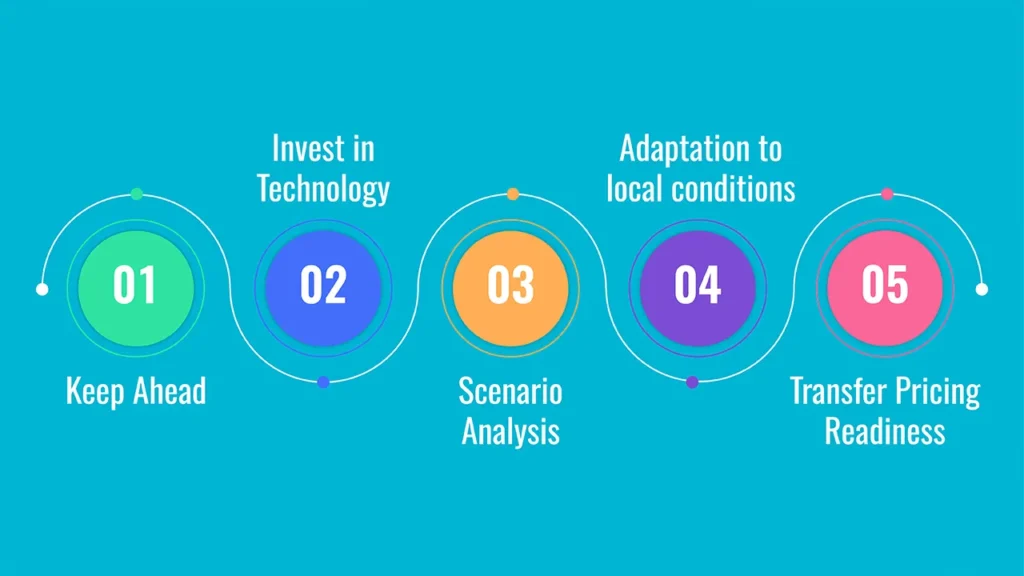
Key advice: Companies will need to invest in technology and data management to monitor and report on global minimum tax obligations — and be prepared to adjust as rules change or new safe harbours come to pass.
There is no Pillar One agreement in 2025. The discussion revolves around the modalities for reallocating taxing rights for digital and big consumer-facing businesses (the so-called “Amount A”) and for simplifying transfer pricing on routine marketing and distribution activities (Amount B).
Key advice: Companies with a large digital or cross-border presence should map exposure to digital services taxes and remain attuned to new local rules, as well as prepare to manage (and perhaps challenge) double taxation risk.
India’s GST Council ratified the significant indirect tax reform (GST 2.0) on September 22, 2025. Key changes include:
Key advice: Both local and multinational companies operating in India need to revisit pricing, supply chain and compliance strategies to benefit from the reduced complexity and maximise input tax credit utilisation under the new regime.
The U.S. is poised at a crossroads in 2025:
Key Advice: U.S. and multinational clients should avoid building an overly sophisticated international tax strategy or model, refuse to scenario-plan for legislative change, ignore tariff risks and wait until the chaos subsides (or 2020 presidential election results come back) to make changes to global tax and supply chain strategies.
Transfer pricing rules are being reconsidered on a global scale as Pillar One remains uncertain and more digital services taxes are being adopted. Pillar One Amount B for routine distributors with simplified pricing is elective and will have asymmetric uptake.
This in turn may lead to inconsistent practices across countries, necessitating businesses to carefully observe local enforcement and adapt their documentation accordingly in each location.
Disputes and audits will rise, and more firms can expect intercompany transactions that are adjusted or penalised.
Key Advice: Sound transfer pricing documentation and knowledge of the shifting local landscape, combined with the willingness to engage in audits or mutual agreement procedures (MAPs), are a must-have for global businesses in 2025.
BEPS 2.0 proposes a minimum 15% global tax (Pillar Two) in many of the countries and potentially reallocates taxing rights towards digital or highly profitable businesses (Pillar One).
This will give rise to new compliance obligations and could lead to increased global tax costs or double tax exposure if local and worldwide regimes are out of sync.
India’s streamlined GST (it has just two main rates now, plus more exemptions and quicker refunds) reduces the cost of indirect taxes on many essentials, simplifies compliance and disincentivises off-the-books activity.
These also suggest decreased barriers and enhanced predictability in one key market, India, for foreign-invested enterprises.
Companies need to account for different transition timelines, possible retaliatory tariffs (especially from the U.S.), the risk of double taxation in cross-border disputes on digital taxes, and continued uncertainty on essential rules, like Pillar One.
Flexibility, investment in technology and working closely with tax advisers are key to global compliance.